SBUDNIC
A 3U cubesat designed for demise, built by a largely student and amateur team from off-the-shelf parts, that took itself out of orbit 440 days after launch.
CNR, National Research Council of Italy
The people- Me, Chief Engineer
- Subsystem teams, 7 sub-teams, one of them operations and admin
- D-Orbit and SpaceX, partners
The brief
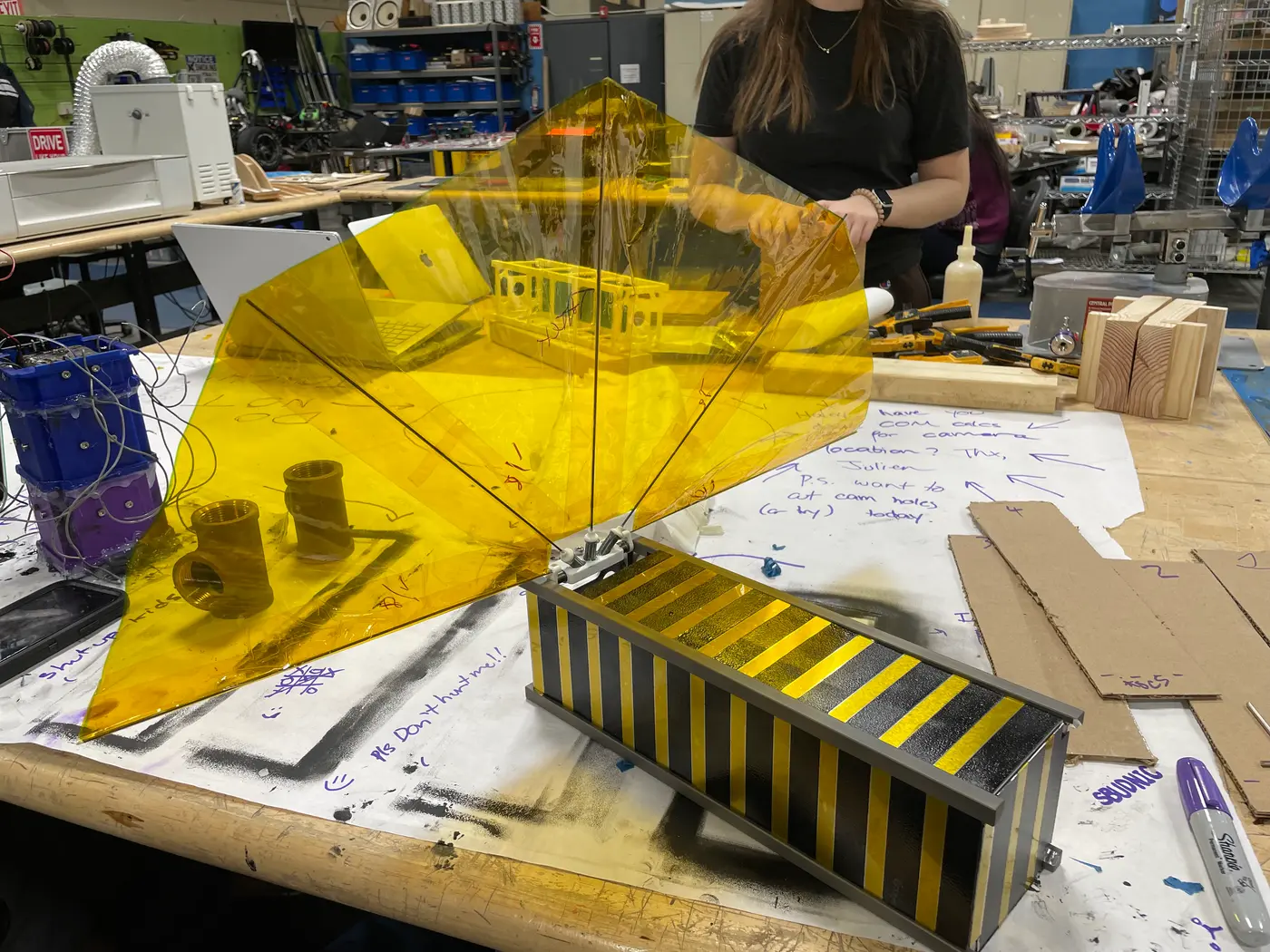
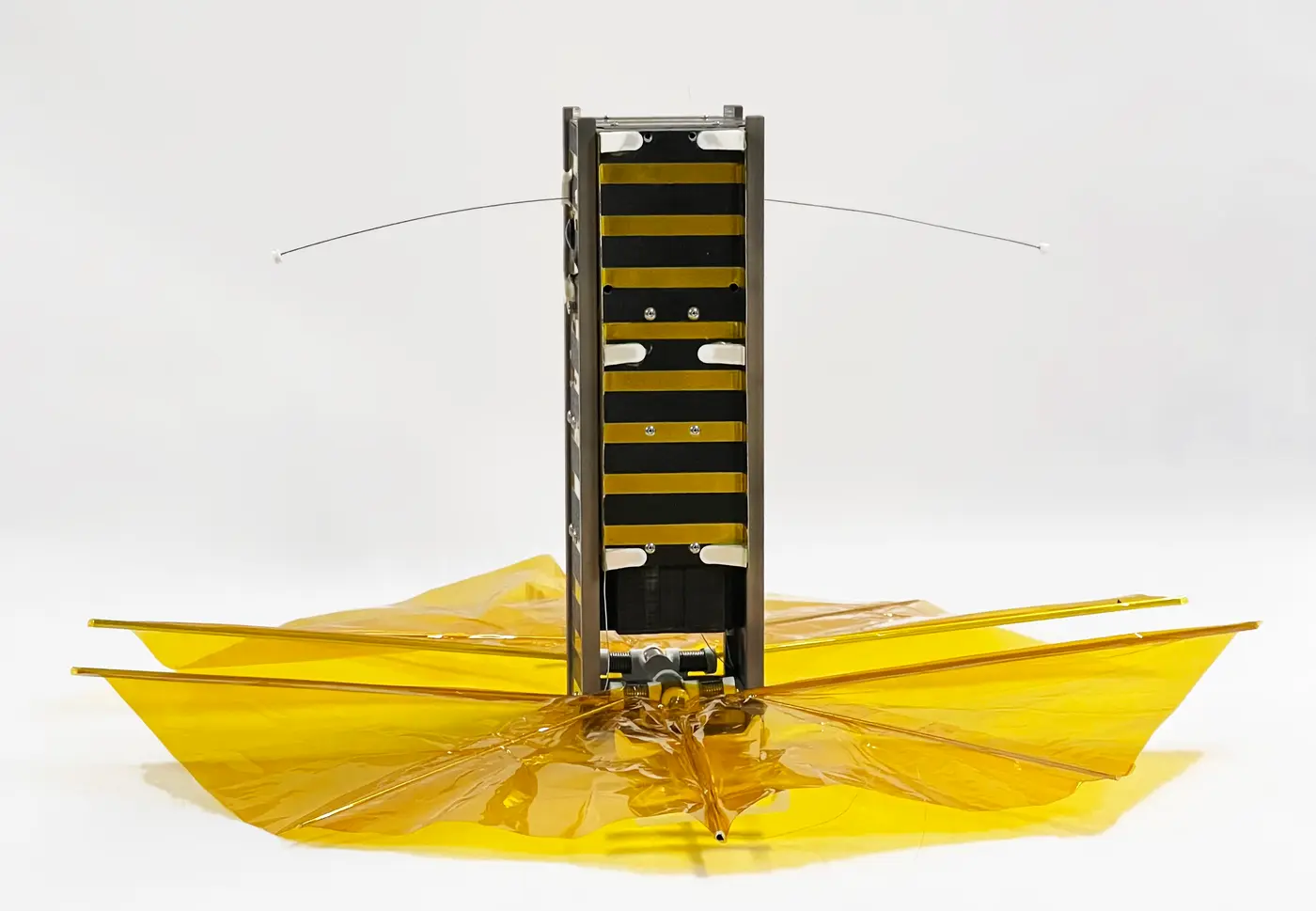
SBUDNIC began as a concept in The Design of Space Systems at Brown University and grew into a multidisciplinary international cubesat program. Its mission was a low-cost, passive answer to space debris: a 3U cubesat, designed for demise, carrying a novel aerodynamic drag sail to accelerate its own deorbit, alongside two cameras and a ham radio transceiver.
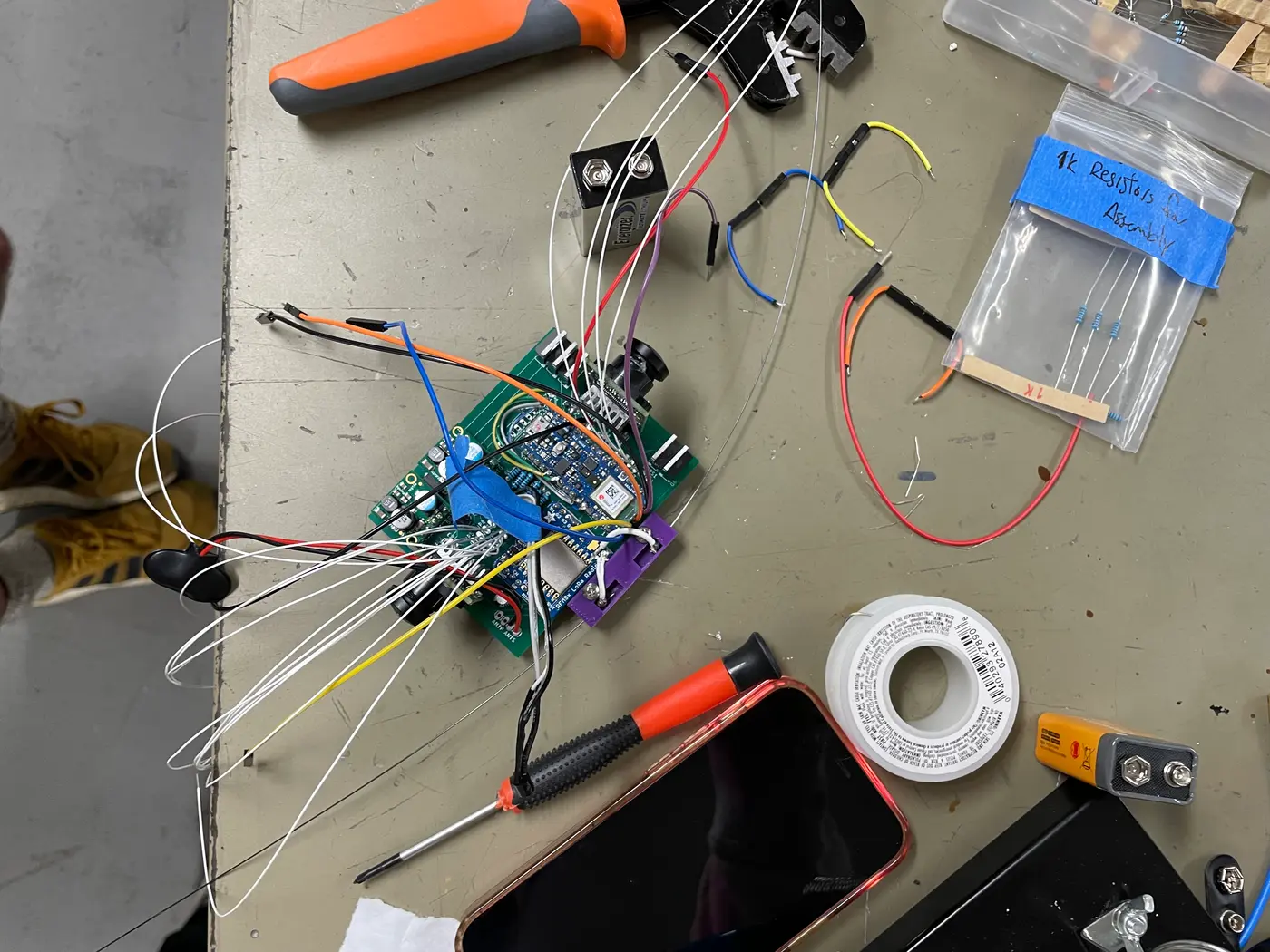
The program had to fly with a largely student and amateur team, built entirely from open-source frameworks and off-the-shelf parts. The architecture spanned five subsystems: structure (a custom modular chassis), deorbit (the deployable drag sail with a subsystem mass <100g), thermal (a novel coating-based passive control system), power (a non-rechargeable primary cell array of off-the-shelf lithium batteries), and command and data handling (a radiation-hardened Arduino Nano, mounted with the cameras and the ham radio transceiver).
Risk register
| # | Failure mode and effect | S | O | D | Mitigation | O after | D after | RPN, before to after | Owner |
|---|---|---|---|---|---|---|---|---|---|
| F-01 | Sail release fails, or the drag sail fails to deploy or deploys partiallyThe satellite stays in orbit for 25 to 27 years and the primary mission objective is lost. | 5 | 3 | 4 | 75 full deployment tests of the sail and its spring-loaded masts on the ground: 25 with the satellite upright on each of the X, Y and Z axes.Deployment was confirmed on orbit by USSF tracking data and the decay rate. | 2 | 2 | 60 to 20 | Deorbit team |
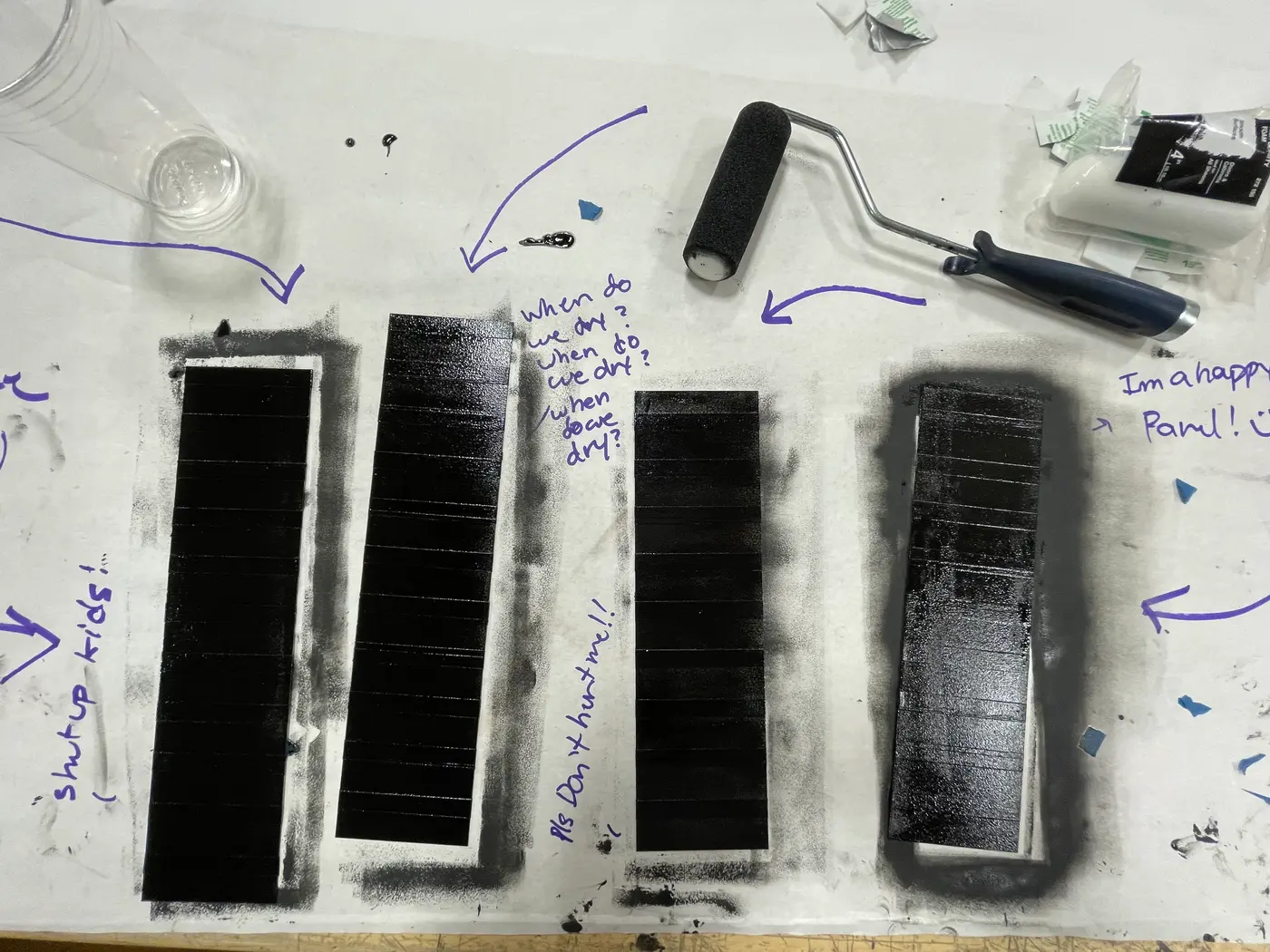
| F-02 | Launch vibration damages the structure or releases the sail earlyThe satellite is dead on arrival, or the sail deploys inside the carrier. | 5 | 3 | 3 | Qualification pre-test of the integrated satellite to the SpaceX Rideshare Payload User's Guide (September 2021), Tables 3-7 and 3-16: random vibration at 5.13 g RMS from 20 to 2,000 Hz, for 1 minute in each of 3 axes. In-process tests on a pneumatic paint shaker, with the air pressure set so that an accelerometer on the shaker read a 15 g peak. | 1 | 2 | 45 to 10 | Structures team |
| F-03 | Primary lithium cell short, venting or thermal runawayLoss of power, or rejection by the launch provider's safety review. | 5 | 2 | 4 | Selected non-rechargeable primary cells, which removed the charge circuit and its failure modes. Screened the cells, and passed the launch provider's battery safety review. | 1 | 2 | 40 to 10 | Power team |
| F-04 | Flight computer hangs or enters a reset loop: radiation upset, latch-up, brownout or software faultThe satellite loses control, its beacon and its images. | 4 | 3 | 4 | Selected a radiation-hardened Arduino Nano. Added persistent memory with restart tracking, so the computer keeps its state through a reset. Ran full integration tests on the ground. | 2 | 3 | 48 to 24 | Command and data handling team |
| F-05 | Passive thermal coatings fail to hold the temperature rangeThe cells fall below their rated temperature in eclipse, or the electronics overheat in sunlight. | 4 | 3 | 3 | Tested the thermal shield in a vacuum chamber under heat lamps, and passed thermal shock testing of the satellite. | 2 | 2 | 36 to 16 | Thermal team |
| F-06 | No radio link with the groundNo telemetry or images reach the team. | 3 | 3 | 4 | Set the mission objective so that tracking data alone could verify it, with no dependence on the radio link.This risk partly occurred: the ground received data packets, but no complete images. The deorbit result was verified by tracking data instead. | 3 | 4 | 36 to 36 | Communications team |
| F-07 | Power inhibit or deployment switch fails, and the satellite powers on before separationThe sail deploys or the radio transmits inside the dispenser, which can jam the dispenser, harm co-payloads and violate the launch provider's safety requirements. | 5 | 2 | 4 | Kept the satellite unpowered until separation with deployment-switch power inhibits, and confirmed during the integrated random vibration test that the inhibits held. | 1 | 2 | 40 to 10 | Power team |
| F-08 | Chassis does not fit the dispenser, or does not separate from itThe satellite stays on the carrier and the mission is lost. | 5 | 2 | 3 | Checked the rails and the envelope of the chassis against the dispenser interface requirements, and completed the fit check at final integration.Separation succeeded: the ION Satellite Carrier released SBUDNIC into orbit. | 1 | 2 | 30 to 10 | Structures team |
| F-09 | Drag area on orbit is less than predicted: the satellite tumbles, or the sail membrane tears or erodesThe satellite deorbits later than its orbital lifetime analysis predicts. | 3 | 3 | 4 | Designed the sail to stabilize the satellite aerodynamically, and predicted the orbital life by orbital decay analysis.SBUDNIC deorbited 95% faster than the pre-launch simulations predicted. Heightened solar activity likely contributed. | 2 | 4 | 36 to 24 | Deorbit team |
| F-10 | Primary cells deplete earlyRadio and camera operations end before the mission objectives are met. | 3 | 3 | 3 | Sized the primary cell array with a power budget over the planned mission duty cycle. | 2 | 2 | 27 to 12 | Power team |
| F-11 | Camera fails, or images are not captured and storedNo images are taken, and the imaging objective is lost. | 2 | 3 | 3 | Tested image capture and storage through the flight computer on the ground. | 2 | 2 | 18 to 8 | Command and data handling team |
| F-12 | Downlink frequency is not coordinated or licensed before launchThe satellite transmits with a risk of interference with other users and of regulatory action, and amateur ground stations do not listen for it. | 3 | 3 | 2 | Engaged specialty regulatory professionals for frequency coordination and licensing before launch. | 3 | 2 | 18 to 18 | Systems engineering |
| F-13 | Satellite does not meet orbital debris requirements: post-mission orbital life too long, or parts survive reentryThe satellite is not licensed or not accepted for launch, or it becomes long-lived debris. | 4 | 3 | 2 | Designed the satellite for demise on reentry, and sized the drag sail by orbital lifetime analysis to shorten its orbital life. | 1 | 2 | 24 to 8 | Systems engineering |
| F-14 | Non-metallic materials outgas in vacuumOutgassed material contaminates the camera optics or co-payloads, or the launch provider rejects the satellite. | 3 | 2 | 3 | Screened each exposed non-metallic material, including the thermal coatings, against the launch provider's ASTM E595 outgassing limits. | 1 | 2 | 18 to 6 | Systems engineering |
| F-15 | Flight hardware is not ready by the integration delivery dateThe satellite loses its launch slot. | 4 | 3 | 2 | Ran in-budget test methods in house, so that subsystem validation did not wait for external test facilities. | 2 | 2 | 24 to 16 | Systems engineering |
| F-16 | Team members leave mid-programDesign knowledge leaves with them, work is repeated, and errors can escape into the flight build. | 3 | 4 | 2 | Kept the design, the firmware and the technical documentation in open repositories, so that a new member could take over a subsystem from the record. | 3 | 2 | 24 to 18 | Systems engineering |
S is severity, O is occurrence and D is detection, each rated 1 to 5, with 5 the worst. The risk priority number (RPN) is S x O x D, shown before and after mitigation.
How it unfolded
- ConceptSBUDNIC was conceived in The Design of Space Systems at Brown University.
- Launch slotCNR offered Professor Rick Fleeter a launch slot to use as he chose, and the program formed around that slot. The slot set the total program timeline and budget.
- Late 2020The program kicked off, about 18 months before launch.
- Design and buildThe chassis, the drag sail and the remaining subsystems were designed and built from open-source frameworks and off-the-shelf parts.
- ValidationEach subsystem was validated in process, with in-budget random vibration, thermal shock and vacuum tests.
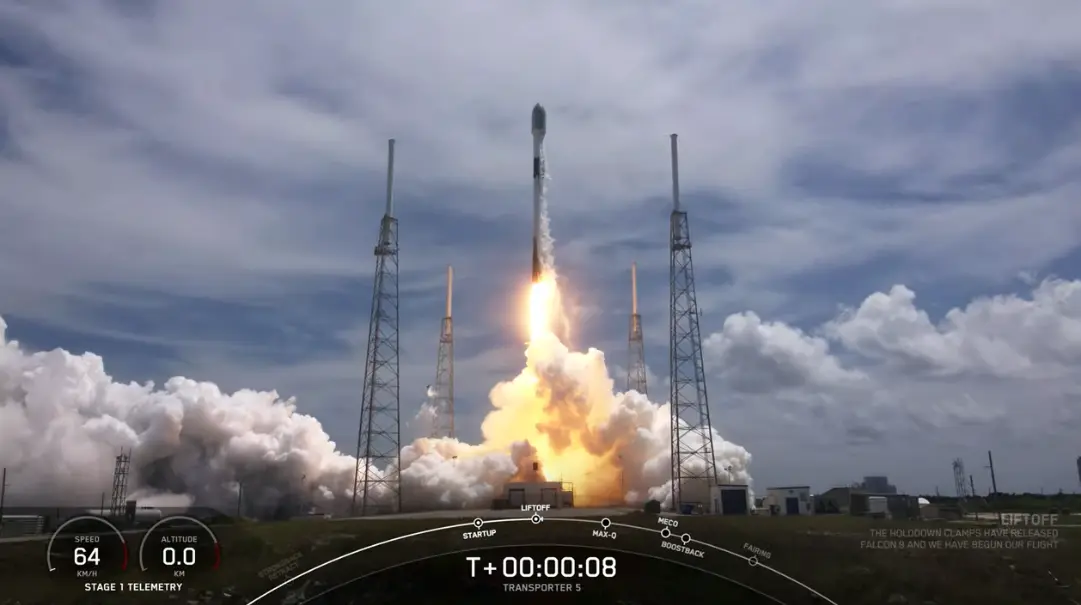
- 25 May 2022SBUDNIC launched on Transporter-5 after final preflight integration at Cape Canaveral.
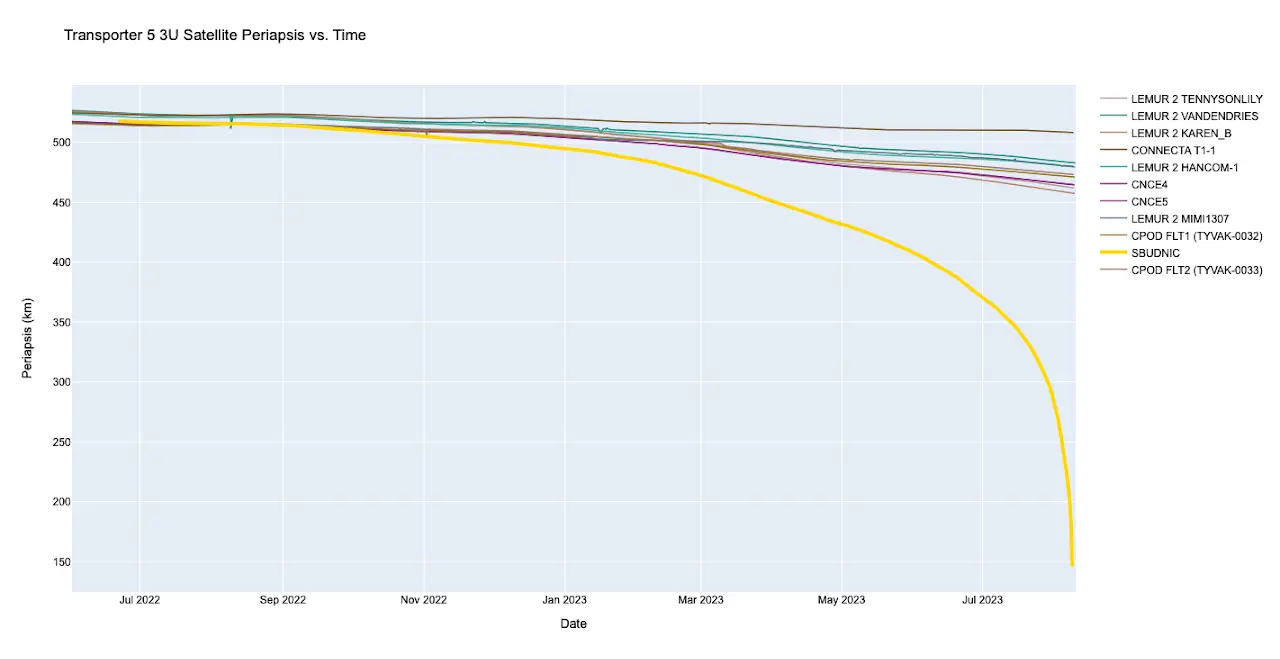
- On orbitUSSF tracking data showed that SBUDNIC’s drag sail had deployed and induced a deorbit trajectory. The radar cross section measured by USSF changed measurably when the sail deployed, and the change appeared in the next TLE update. The onboard sensors inferred the deorbit more slowly.
- 8 August 2023SBUDNIC deorbited.
What I did
- Program management and client relationsLed the program as Chief Engineer. Staffed and managed all subsystem engineering teams. Worked with CNR, D-Orbit, and SpaceX to meet mission engineering standards and regulatory mandates.
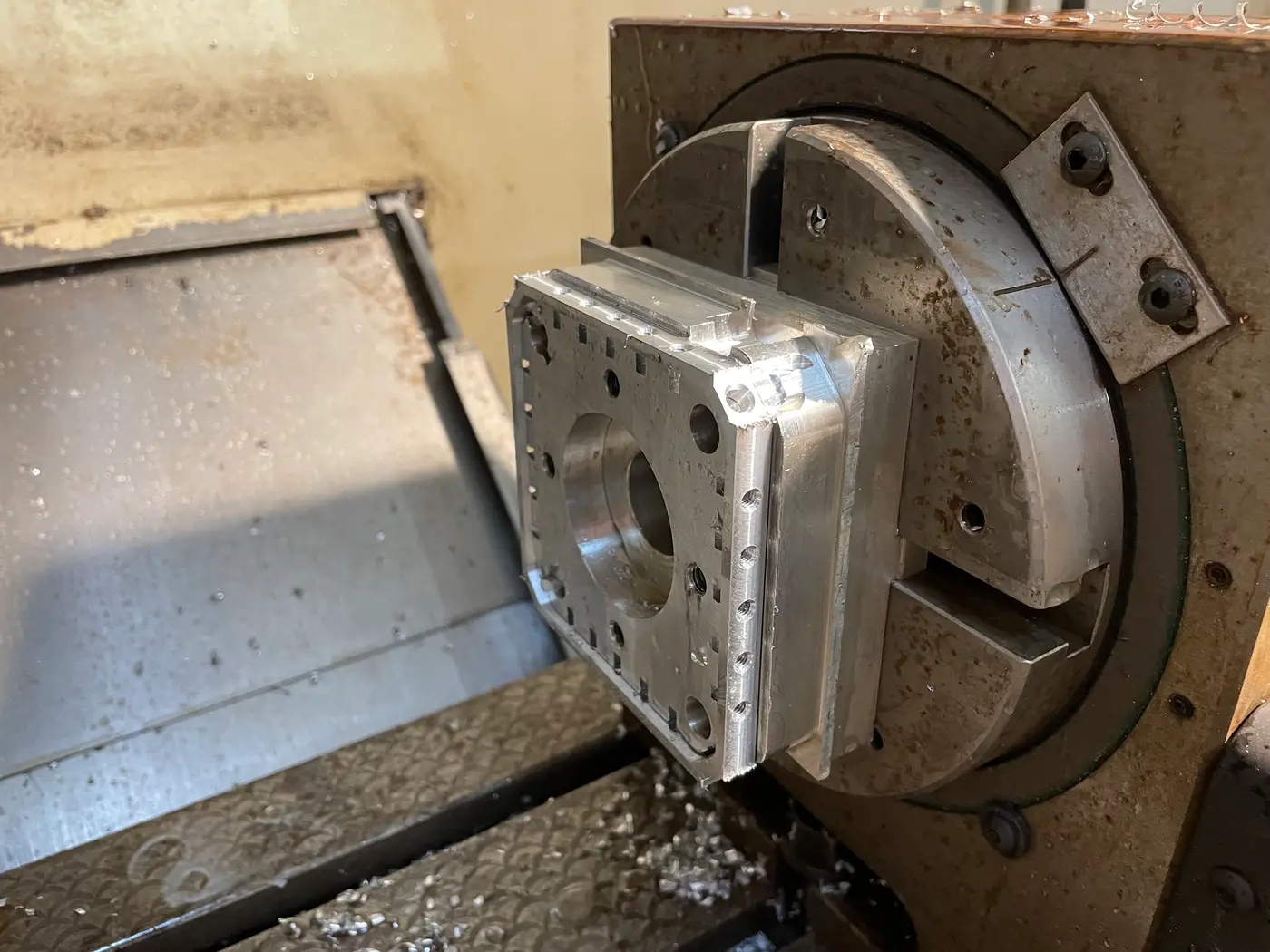
- Architecture and chassisDeveloped high-level system architecture. Designed, prototyped, and engineered the custom modular chassis.
- The drag sailDesigned, prototyped, and engineered the deployable aerodynamic drag system.
- Testing and validationDesigned and developed in-budget alternative test methods, including random vibe and thermal shock and vacuum, for in-process validation of all subsystems.
- IntegrationFinal preflight integration at the SpaceX vehicle integration and assembly building at Cape Canaveral SLC-40. The last human to ever touch SBUDNIC.
Decisions
- Drag sail. A drag sail is passive, and the trade analysis found that this advantage alone was decisive. Notional analysis showed that a functional sail could be built for far less than $1,000 in parts. The projected atmospheric density at the orbit was high, which favors drag.
- Power. A solar array would have extended mission life, but it added significant technical complexity, so the team flew primary cells with no recharging. The cells were a finite energy reserve that took up about 65% of the internal volume. Bit rate, processing speed, thermal management and structural layout were each set against that reserve.
- Commercial parts. Cost was the primary driver. The complete energy storage system could be bought for about $90 at any retail pharmacy in the country. After the deorbit, a NASA engineer told the team that NASA had qualified the same cell for Space Shuttle operations. The data was never published, so the team could not have known this in advance.
- Test method. A standard test campaign would have cost at least several hundred thousand dollars, excluding engineering labor. The hardware was developed with the process used for firmware: continuous validation against best-estimate standards, on test stands built in house, so the team could learn and move fast. The Arduino Nano firmware was custom and was tested throughout development. No single test found an otherwise fatal error.
- Team structure. Sub-teams formed and reformed as needs arose, especially in hardware. The radio and firmware teams stayed largely fixed, because those fields need specialized knowledge. Sub-team tasking and goals followed standard NASA practice.
A deorbit-capable cubesat could be designed, built and flown by a largely student and amateur team, from open-source frameworks and off-the-shelf parts. The drag sail brought SBUDNIC down years ahead of the comparable satellites launched with it, most of which are still in orbit.
Early hardware programs rarely start with experienced teams or generous budgets. I set the architecture, the team structure and a test program the budget could carry, so a largely student and amateur team could take a satellite from concept to orbit and back.
On the record
- 2024-08-14TalkNASA Small Spacecraft Systems Virtual Institute
SBUDNIC: A Model for Lightweight Program Management and Mission Experimentation (webinar, I am the speaker) - 2024-09-24AwardGizmodo Science Fair 2024
A $10,000 Student-Built Satellite Could Be the Future of Space Exploration - 2023-05-07TVRhode Island PBS Weekly
The Little Satellite That Could - 2023-03-15PressBrown University News
Satellite built by Brown students and launched by SpaceX shows a low-cost way to reduce space junk - 2023-08-18PressBrown University News
Satellite built by Brown students as low-cost way to reduce space junk reenters atmosphere years early - 2022-05-16PressBrown School of Engineering
CNR and Brown University School of Engineering announce the launch of a satellite - 2023-03-17PressPopular Science
College students built a satellite with AA batteries and a $20 microprocessor - 2023-03-21PressThe Register
Student satellite demonstrates drag sail to de-orbit old hardware - 2023-03-22PressFuturity
Scrappy SBUDNIC satellite hitched a ride to space - 2023-03-24Pressfuturezone (Austria)
Günstiger Mini-Satellit wird mit AA-Batterien betrieben - 2023-03-28PressZME Science
Students make $10,000 satellite with a 3-D printed drag sail that won't leave any space junk - 2023PressHackster.io
Bread Loaf-Sized CubeSat Demonstrates Method for Reducing Space Junk - 2023-08-18PressFuturity
Small satellite shows off cheap way to reduce space junk - 2023-08-22PressThe Register
Budget satellite drag sail shows space junk how to gracefully exit orbit - 2023-08-23PressInteresting Engineering
A $10k satellite built by students can help clean space junk - 2023-08-24PressPhys.org
Satellite built as low-cost way to reduce space junk reenters atmosphere years early - 2023PressUniverse Today
A Satellite Deployed a Drag Sail and Removed Itself from Orbit Five Years Early - 2023-04PaperEGU General Assembly 2023 (EGU23-16127)
SBUDNIC: lessons learned in implementing a CubeSat mission - 2024-04PaperEGU General Assembly 2024 (EGU24-19763)
Demonstrating the accessibility of Space with SBUDNIC