A Plan, A Man, A Canal (????): Scooter Build, Pt. 3
It’s become increasing clear that the complexity of this project is rather immense. In fact, learning to weld seems to be the least complex part of this whole endeavor. This isn’t to say that I’m scared off by the proposition but it is to say that this journey will require a serious bit of forethought about how the pieces (literally and metaphorically) all fit together.
In the time since Part 2 of this ongoing saga, I weighed a bunch of the variables and came to some hard and fast conclusions:
I will be making an electric vehicle. I love you, Elon.
While the cost of building an electric powertrain may be greater than that of building one using a gasoline engine, I’ve found that there is a way to lighten the load somewhat and it’s name is direct sourcing from China. Having spent a good bit of time visiting factories, validating tooling and manufacturing plans, developing and launching hardware products, and developing relationships with companies in Vietnam and throughout the special economic zones of Shenzhen, Hong Kong, Shantou, Guangzhou, and greater Guangdong province, I have a better-than-average grasp on the delicate dance that is working with Asian manufacturing. Accordingly, I’m extremely confident that I can leverage this expertise to my benefit.

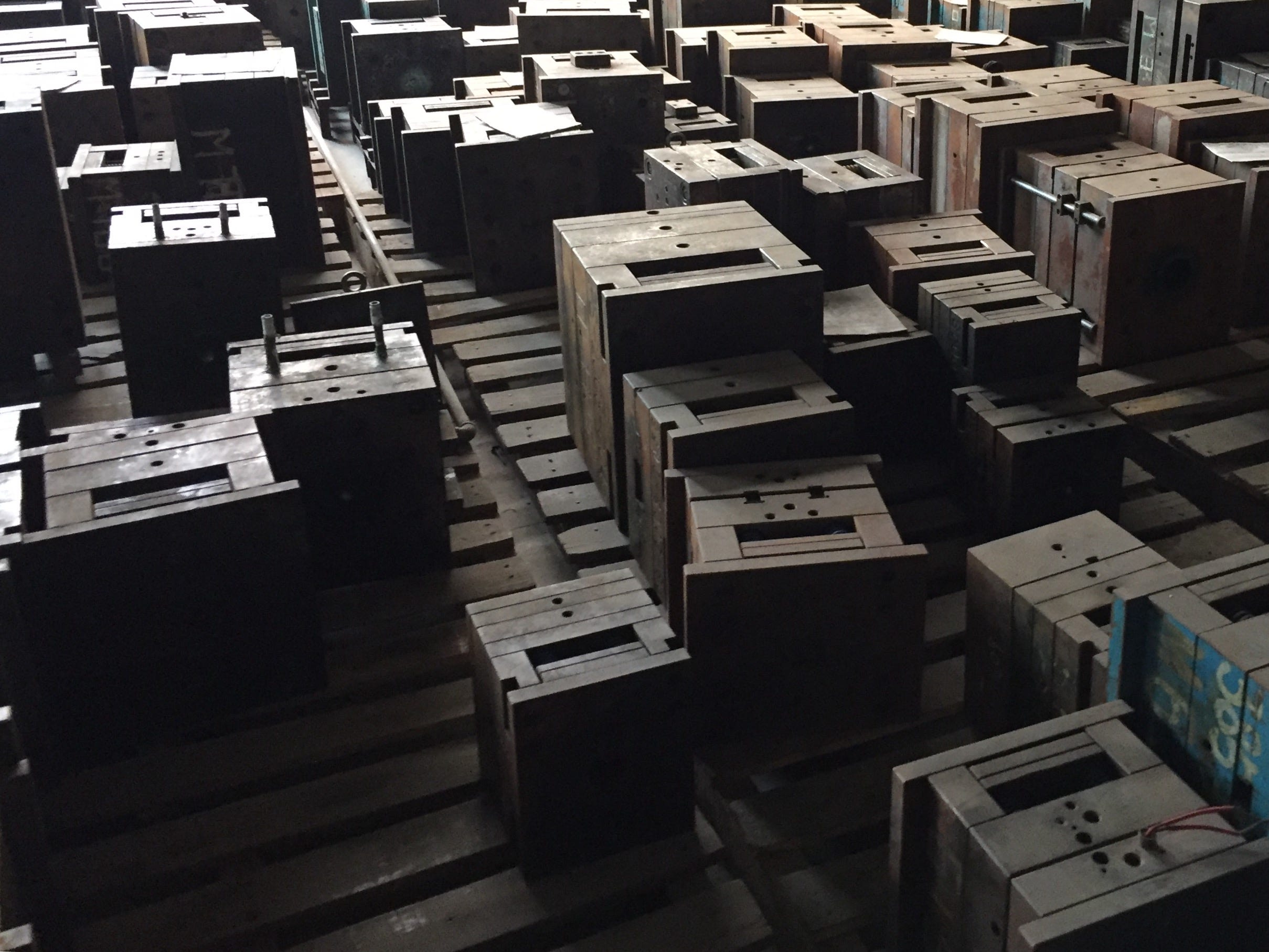
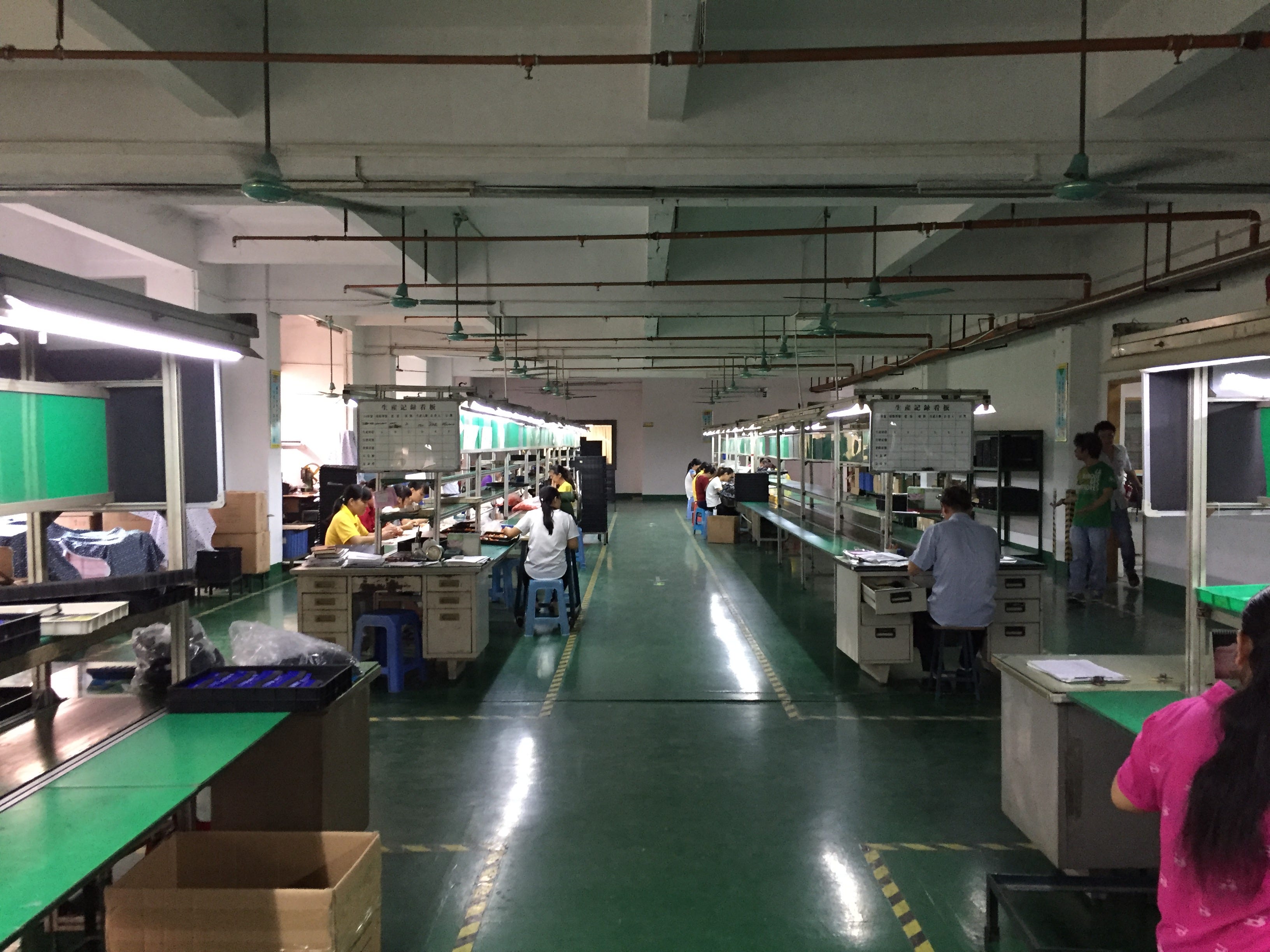
One of my main concerns with going electric versus petroleum powered was the start up cost of the powertrain. I calculated that the power system alone would probably consume just under a thousand dollars of budget which, given the fact that I can buy a brand new electric scooter for slightly more than that on Amazon, is disconcerting to say the least. By going direct to China, I am looking at a 70–75% savings on battery costs when compared to my options stateside on a amp-hour-against-amp-hour basis. The costs for electric motors sourced direct from China are not as favorable. There’s probably only about 15–20% savings there which may not be worth it when the act of buying a non-name brand motor means also wading through the challenge of locating a compatible control system.
While I was aware that brushless DC motors are slightly more complicated than brushed DC motors, I did not grasp the entirety of the situation. If you’ve not taken apart an electric motor, this whole thing is totally non-intuitive because it involves magnets and even the greatest physicists in the world still haven’t fully explained magnetism.
Water, fire, air and dirt
Fucking magnets, how do they work?
If you dared to click the link, you’re welcome. That is simultaneously the worst music/music video of the new millenium and also one of the most erudite phrases ever uttered by mankind. For the record, I certainly don’t mean to insinuate that ICP is composed of physicists of any quality.
Put simply, a brushless DC motor (higher torque, less maintenance, increased complexity) requires an expensive digital control unit while a brushed motor (lower torque with potentially higher speed, reduced cost, increased maintenance, significantly reduced complexity) will spin even if a battery is connected directly to the motor’s terminals. Due to the fact that brushed motors lack the digital bits that their brushless brethren rely upon, they are also somewhat more robust in adverse conditions assuming all mechanical constraints are equal. It may be possible to go brushed over brushless in this case if cost becomes a very serious concern further down the line.
Furthermore, the reliability of any 50cc second-hand gasoline engine is suspect at best. New engines, while available widely on the Internet, seem to come from one of two or three designs that are widely copied. Despite that wide availability, replacement parts for those engines are expensive and actually relatively difficult to locate. Due to the necessity of a transmission gasoline engines significantly surpass electric motors (which likely require no transmission) in cost. Allora, grazie ma no.
I will be building a reverse trike, full stop.
Two wheels are great for hoverboards (but not really though), bicycles, and wheelbarrows. I’ve already explained why I prefer this layout in Part 2 so I won’t get into it again. I’m now attempting to negate the complexity of messing around with steering geometry and a steering rack by purchasing a totally beat up ATV or golf cart that I can raid for parts. As it turns out, finding an ATV on the cheap is super easy on Craigslist. However, they are extremely easy to steal so finding a suitable donor vehicle with a clear title (or any title at all…) is actually really hard. If you or anyone you know has a titled ATV or golf cart that has all it’s mechanical bits but simply doesn’t run anymore and probably looks like shit because the body is suffering from UV-assisted decomposition, say hi. Beauty is in the eye of the beholder.
I will be building in four stages.
My initial inclination was to get all the parts together in one place at one time and then build the trike in one go. That’s not going to work out for a number of logistical reasons. The following will be the structure of the project:
Prophase: Ongoing Research and Design
That’s a meiosis reference. Nothing about this project is professional.
This phase has been ongoing for the last couple weeks and will continue until the end of the Phase Three. I will be refining the details as I proceed and will be designing (on paper and in Fusion 360) what will ultimately become the exterior shell as I build the chassis.
Phase One: Human-powered Chassis
During this phase, I will essentially build a human-powered tricycle with all the pedals and associated power transmission bits of a bicycle. My goal during this phase is to build the skeleton on which I can flesh out the remainder of the trike as time goes on. That means that I will be leaving extra room for batteries and a motor and will be overbuilding the key mechanical structures to ensure that they are skookum enough to withstand electrically-powered on-road use down the line. During this phase, I will be stealing the gearing and pedals from a donor bicycle and semi-permanently affixing them to the chassis. This will allow me to transport the trike more easily as the Steel Yard is less than a half mile from my house and the frame will probably be too big to fit into my wife’s Honda CRV. I’m not buying a tow hitch and trailer either. In addition, the wheels and braking system on the Phase One trike will be finalized at this point.
Phase Two: Electrical Motivation
I will be wiring in the electrical system that will eventually power the trike. This means removing the semi-permanent bicycle drive and fabricating any support structures or bracketry that is required to permanently affix the electrical subsystem to the chassis. The incorporation of legally required lighting and signaling devices will be included in the electrical system build out. At the end of this phase, I should have a fully functional trike that performs exactly like the intended final version.
Phase Three: The Form
As I haven’t really given a whole lot of thought to the end form yet, I have no idea how long or involved this phase will be. Within the next week or two I should have a much better idea of how this trike will ultimately look as the final appearance will heavily impact the chassis design. I envision that this phase will likely require some fabrication of fiberglass or plastic body panels. At this point, I’m leaning towards plastic panels as they should be relatively easy to vaccuform; I also look back on my past fiberglass experience with a deep sense of loathing due to how itchy I was during post-cure sanding and how, despite using a pretty great activated charcoal mask in a well-ventilated room, completely fucked up I felt on the regular while working with resin and catalyst. At the conclusion of this phase, the trike will be done.
Phase Four: The Great Reckoning
I will register and insure the trike. My affection for Rhode Island knows no bounds except when it comes to the DMV. I look forward to this phase as much as one looks forward to a biannual colonoscopy.
And that’s the end of that. Presumably this plan will change somewhat as the rubber meets the road but I’ve got all the confidence in the world that it will at least provide a solid framework for ongoing iteration.
Adios for now.